
Reviews
Hue Group Logic offers a refreshing take on the color-matching genre. The core mechanic of sliding tiles to form connected groups is easy to grasp but difficult to master. I appreciate the lack of timers or scores, which lets you focus purely on the puzzle. The random grid generation ensures high replay value, and the visual feedback is satisfying. My only minor complaint is the absence of an undo button, but that ultimately adds to the challenge. A solid choice for anyone looking for a thoughtful, low-pressure brain teaser.
Description
Arranging the Grid
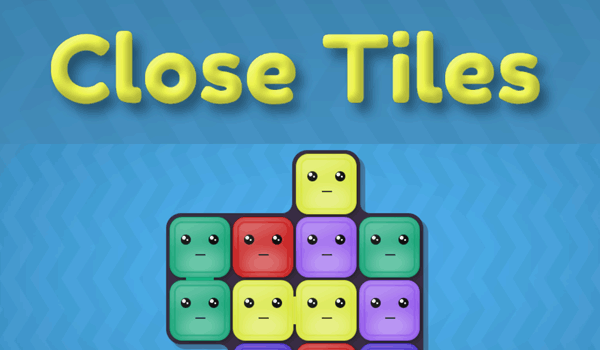
Hue Group Logic presents you with a board filled with multicolored tiles. Your main task is to shift these pieces so that every tile of the same hue ends up in a single, connected cluster. The challenge comes from the fact that moving one tile can break the connection of another, leaving it isolated. You must think several steps ahead to keep all groups intact.
Strategic Movement
Each move involves sliding a tile into an adjacent empty space. This simple action has a ripple effect: it can merge two groups of the same color or split a group apart. The game ends when you successfully cluster all colors, but a single stranded tile will end your run. This creates a tense balance between progress and caution.
Visual Design and Feedback
The tiles use a bright, cheerful palette that makes each color distinct. When a tile slides into place next to its matching neighbors, you get a clear visual cue that you are on the right track. The clean interface keeps your focus on the puzzle, with no distracting animations or clutter.
Approach and Mindset
Hue Group Logic is designed for short, focused sessions. A typical game lasts only a few minutes, making it ideal for a quick mental break. There is no timer or score pressure, so you can take your time to consider each move. The randomly generated layouts ensure that no two puzzles are exactly alike, giving you a fresh challenge each time.
Building Pattern Recognition
Regular play helps you develop an eye for spatial relationships. You start to see which moves are safe and which ones create problems. Over time, you learn to spot potential isolation points before they happen. This gradual skill building is one of the most rewarding aspects of the game.

Comments
Sign in to comment
You must be logged in before posting a review or rating.
No account? Create one
No comments yet. Be the first to comment!