
Reviews
Restoration Maze: Skeleton Ascent offers a refreshing take on the puzzle genre by tying character upgrades directly to exploration. The limb-collection system adds meaningful choices without overwhelming the player. Each new ability feels earned and opens up creative solutions to obstacles. The difficulty ramps up smoothly, ensuring that newcomers and experienced players alike stay engaged. The clean visual style and calm audio create a focused atmosphere perfect for problem-solving. It is a well-crafted, family-friendly experience that respects the player's time and intelligence.
Description
Underground Navigation
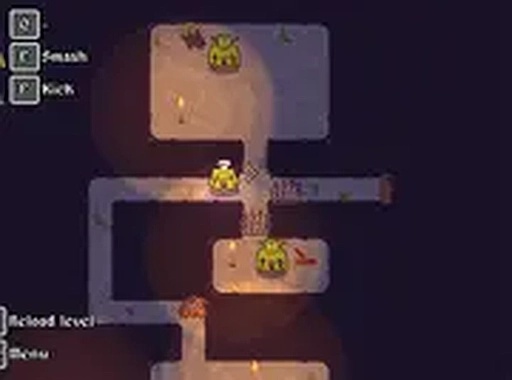
Players control a skeleton that has awakened in a buried cavern system. The primary objective involves moving upward through layered environments, each presenting unique spatial puzzles. The setting remains consistently subterranean, with dim lighting and tight corridors that require careful movement. Obstacles range from collapsed passages to pressure-sensitive platforms that only activate when the skeleton stands on them. The maze-like structure encourages players to memorize paths and plan routes efficiently. Success depends on recognizing patterns and using the environment to progress.
Limb Collection System
Scattered throughout the levels are lost skeletal parts, each offering a distinct functional upgrade. For example, acquiring a leg might allow higher jumps, while an arm could enable pushing heavy blocks. The game does not specify exact numbers of parts, but the collection system is central to progression. Players must decide which limbs to pursue first, as some areas are inaccessible without specific upgrades. This creates a strategic layer where exploration and priority-setting matter as much as quick reflexes. The parts are visually distinct, making them easy to spot against the dark backgrounds.
Puzzle Complexity Progression
Early stages introduce basic mechanics like moving blocks and activating switches. As players descend deeper, puzzles incorporate multiple steps, such as using a leg to jump to a platform, then an arm to pull a lever that opens a distant door. The difficulty curve feels natural, with each new challenge building on previously learned skills. Some puzzles require combining two limb abilities in sequence, demanding both timing and foresight. The game avoids repetitive tasks by introducing fresh puzzle types at regular intervals. This keeps the experience engaging without becoming monotonous.
Controls and Accessibility
The game is designed for desktop browsers and uses standard keyboard and mouse inputs. Movement is controlled via arrow keys or WASD, while mouse clicks interact with objects and menus. The interface is minimal, with a small inventory bar showing collected limbs. Switching to full-screen mode is supported and can enhance visibility in tight spaces. No special hardware is required, and the controls are responsive enough for precise maneuvers. The straightforward input scheme allows players to focus entirely on solving puzzles rather than learning complex commands.
Visual and Audio Atmosphere
The art style uses a top-down perspective with muted earth tones and subtle lighting effects. Skeletons and environments are depicted in a cartoonish manner, avoiding any grim or intense imagery. Sound effects include footsteps on stone and ambient dripping water, which reinforce the underground setting without being distracting. Background music is minimal and calm, designed to maintain focus rather than create tension. The overall presentation is clean and family-friendly, suitable for players of all ages. Visual clarity is prioritized, ensuring puzzle elements are easy to identify.




Comments
Sign in to comment
You must be logged in before posting a review or rating.
No account? Create one
No comments yet. Be the first to comment!